
Training That Prepares People to Act When It Matters
We provide response-focused training that equips individuals and organizations to recognize trafficking indicators, make informed decisions, and respond appropriately in real situations.
Our training focuses on what to do when concerns arise, including how to document observations, when to report, and how to escalate concerns appropriately.
Youth Programming (NCMEC-Aligned)
We provide youth-focused sessions using NCMEC-aligned curriculum designed to help students recognize risks and seek help safely.
These sessions focus on:
Online safety and exploitation risks
Recognizing unsafe situations and behaviors
How to seek help from trusted adults
Understanding personal safety and boundaries
Youth sessions are delivered in coordination with trained adults and institutional partners to ensure appropriate support and follow-up.


What You will Learn
Participants will learn how to:
- identify trafficking and exploitation indicators in context
- distinguish between risk, concern, and reportable situations
- document observations accurately and safely
- determine when and how to report
- escalate concerns through appropriate channels
- coordinate with law enforcement and child protection systems
How Training is Delivered
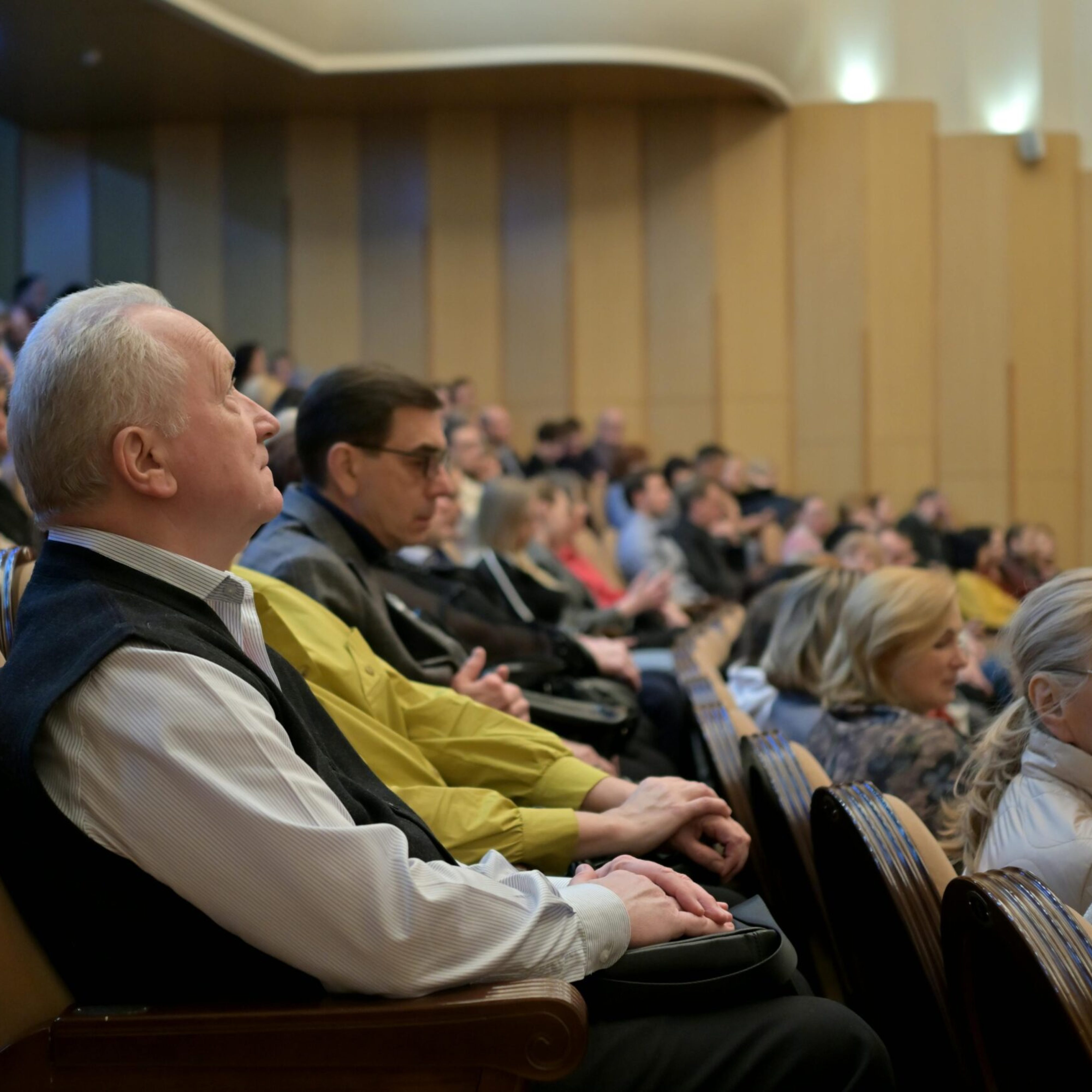
- In-person sessions
- Scenario-based exercises using real-world cases
- Role-specific guidance tailored to audience (educators, faith leaders, staff, volunteers)
- Adapted to your organization’s policies and local reporting requirements

Training Options
Introductory Training (60–90 minutes)
Extended Workshop (2–4 hours)
Full-Day Training (6–8 hours)
Multi-session series for organizations building internal capacity
All trainings are delivered in person to ensure practical application.
Training Pathways by Audience
Training is organized by role and real-world application, enabling professionals to quickly access relevant, evidence-informed prevention strategies.
Schools, districts, and youth-serving organizations
Train staff to identify indicators and follow reporting protocols
Churches and faith-based organizations
Equip leaders and volunteers to respond to disclosures and implement safeguarding practices
Healthcare and social service providers
Strengthen identification and reporting decisions within service settings
Child protection and legal system partners
Improve coordination and reporting accuracy across response systems
What Makes This Different
Most programs focus on awareness and general education.
We focus on what happens after awareness, when decisions must be made in real situations.
Our training prepares participants to:
act when concerns arise
make accurate reporting decisions
follow clear escalation pathways
reduce missed or delayed interventions
Alignment & Standards
Training integrates curriculum from the National Center for Missing & Exploited Children (NCMEC) and aligns with recognized best practices in child protection and trafficking response.

Certificates of completion are issued to document participation. These do not constitute professional certification or licensure.
Expected Outcomes
Organizations that complete training typically report:
increased staff confidence in identifying indicators
clearer internal reporting processes
improved coordination with external response systems
How To Engage
Tell us about your organization, audience, and goals.
We will follow up to confirm scope, training format, and scheduling.
Do you offer virtual training?
No. Training is delivered in person to ensure practical application and scenario-based learning.
Do you train students directly?
Yes. We offer student sessions using NCMEC-aligned curriculum, typically delivered in partnership with schools, alongside staff training to ensure appropriate response and support.
Can training be customized?
Yes. Content is adapted to your organization’s role, policies, and local reporting requirements.
How much does training cost?
Pricing varies based on training length, audience size, and customization. Submit a request and we will provide a quote.
How many participants can attend?
We accommodate small teams and large groups. Final group size is determined during scheduling to maintain effective learning.
How soon can we schedule a training?
Typical scheduling windows range from 2–6 weeks depending on availability and scope.
Do you offer continuing education or professional credits?
No. We issue certificates of completion to document participation; these do not constitute professional certification or licensure.