WHO WE SERVE
Prevention works when people know what risk looks like and what to do next.
HopeWorks Global, Inc. tailors prevention education, training, and practical resources to the responsibilities, settings, and access needs of the people responsible for child safety.
ROLE-SPECIFIC PREVENTION
Different roles need different information.
Training and resources are adapted to the audience’s authority, responsibilities, setting, and practical decisions.
HopeWorks VITAL adds a specialized accessibility-centered program for children and youth who benefit from individualized communication, learning, sensory, mobility, or support approaches. This specialization complements the broader prevention work rather than replacing it.
WHO WE SERVE
Six audiences. Role-specific prevention.
HopeWorks Global, Inc. adapts content to the people responsible for prevention, response, and child safety.
CHILDREN AND YOUTH
Prevention that can be understood and used
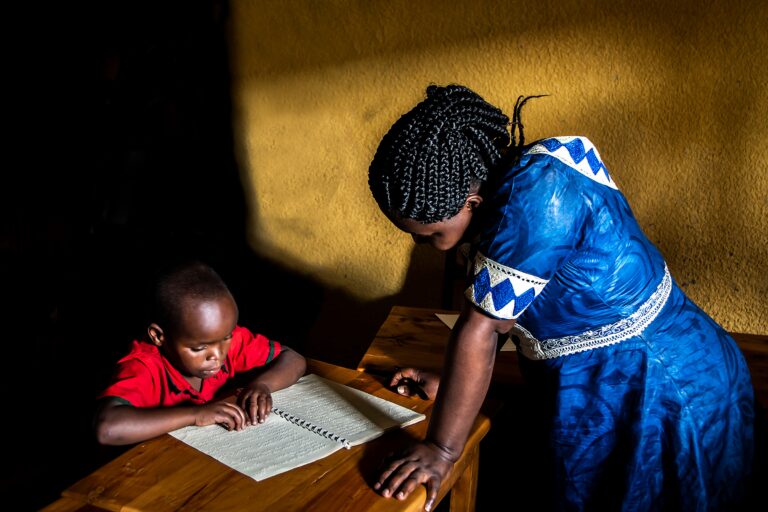
Youth prevention addresses healthy and unsafe relationships, grooming, online exploitation, image-based abuse, coercion, bodily autonomy, trusted adults, and help-seeking. VITAL is developing adapted child-facing curriculum for learners who need individualized communication and learning approaches.
FAMILIES
Parents and caregivers
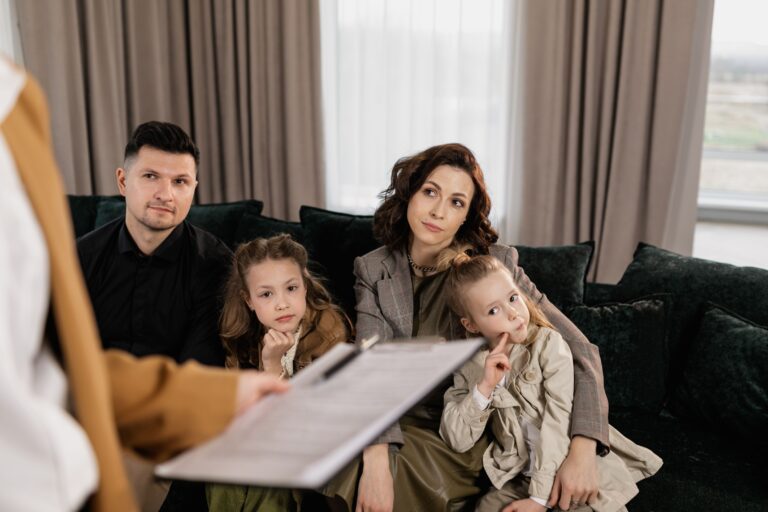
Practical guidance on warning signs, digital safety, behavioral and environmental changes, disclosure response, missing or wandering prevention, individualized protection planning, documentation, and reporting options.
EDUCATION
Educators and school communities
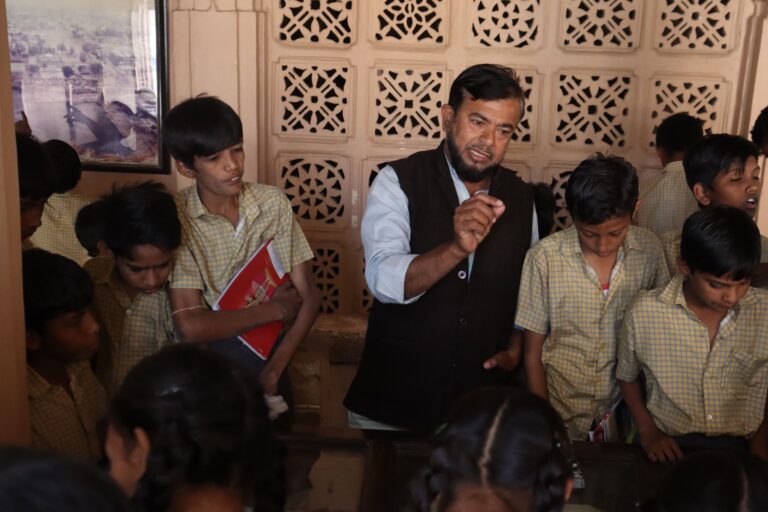
Training on indicators, mandated-reporting responsibilities, accessible disclosure, school-based safeguarding, digital contact, transportation, accommodations, and coordinated response.
COMMUNITY SAFEGUARDING
Faith communities and youth programs
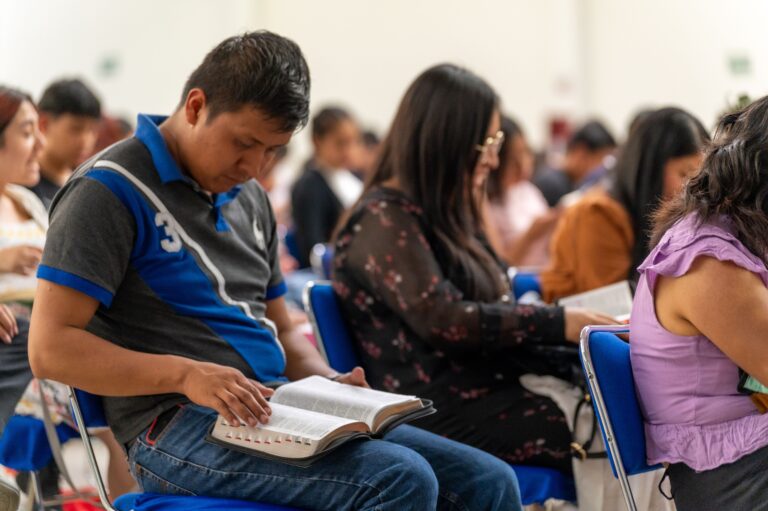
Safeguarding practices, volunteer boundaries, disclosure response, referral pathways, transportation and one-to-one contact controls, and setting-specific reporting responsibilities.
PROFESSIONAL RESPONSE
Healthcare and system partners

Role-specific training and consultation that strengthen communication, documentation, referral quality, safety planning, accommodations, and cross-system coordination.
LEADERSHIP AND POLICY
Organizational leaders and policymakers

Policy review, staff preparation, response protocols, accessible materials, implementation support, legislative education, and systems-level advocacy.