HOPEWORKS VITAL
Prevention that fits the child, not the other way around.
VITAL is HopeWorks Global, Inc.’s accessibility-centered program for children and youth who benefit from prevention adapted to their communication, cognitive, sensory, learning, mobility, or support needs, and for the adults and organizations responsible for their safety.
THE GAP VITAL ADDRESSES
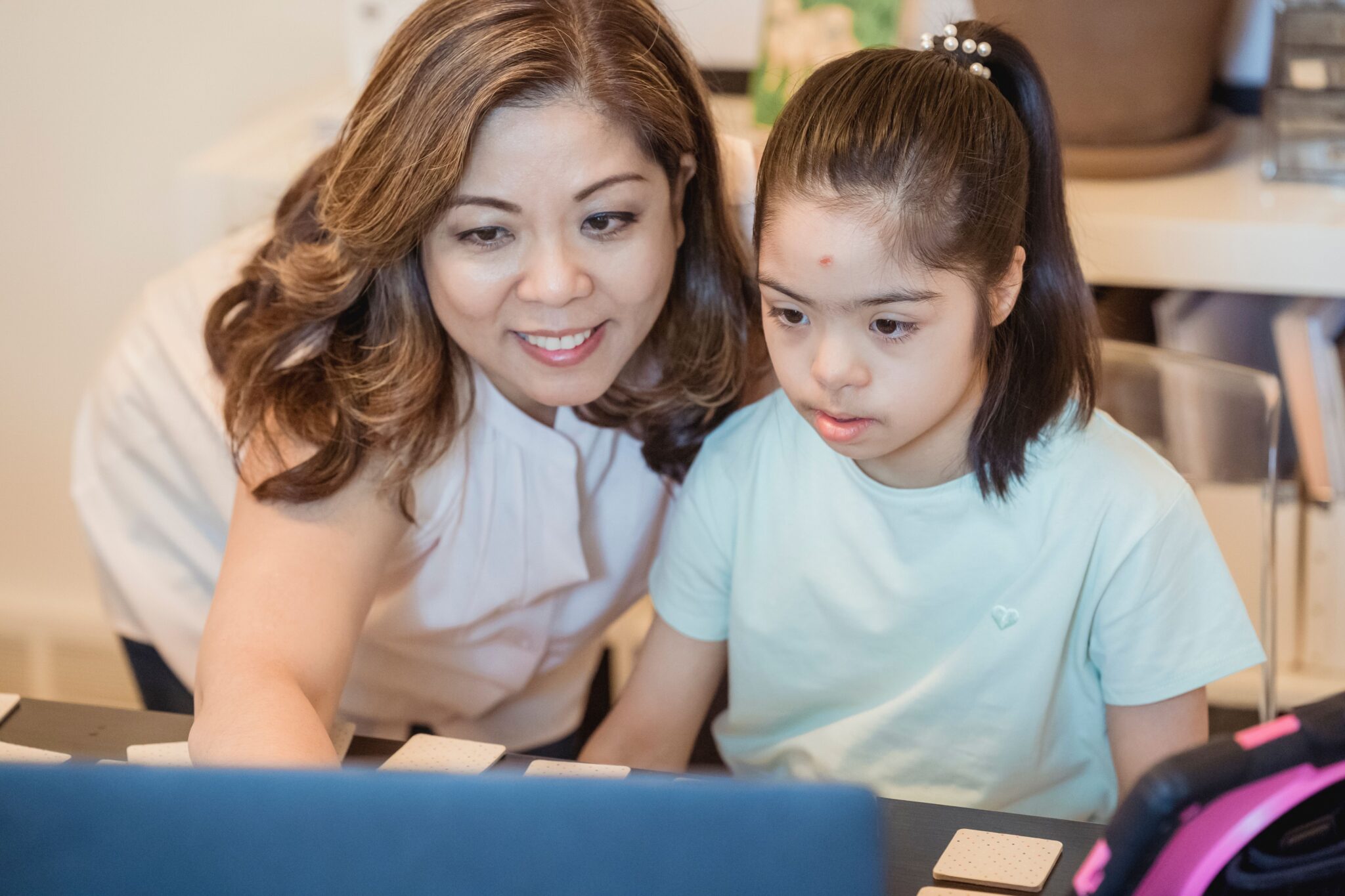
A standard prevention presentation is not accessible to every learner.
Children and youth can process relationships, online contact, boundaries, risk, and help-seeking differently because of communication, cognitive, sensory, learning, mobility, or other support needs.
VITAL adds adapted prevention methods, caregiver preparation, communication access, and safer response tools to HopeWorks Global, Inc.’s broader child-exploitation prevention work. The goal is not a separate system. It is prevention that more children can understand and use.
WHAT VITAL MEANS
Five commitments guide the program.
VITAL is the standard HopeWorks Global, Inc. applies to accessibility-centered prevention and safer response.
V
Voice
Accessible ways to understand information, communicate concerns, disclose harm, and participate in safety decisions.
I
Individualized Access
Prevention and protection planning adapted to communication, learning, sensory, mobility, environmental, and support needs.
T
Trauma-Responsive Practice
Responses that reduce shame, avoid victim blaming, limit unnecessary retelling, and preserve dignity without presenting HopeWorks Global, Inc. as a clinical provider.
A
Agency
Support for bodily autonomy, informed choices, self-advocacy, trusted relationships, and participation in decisions that affect safety.
L
Long-Term Safety
Protective relationships, routines, continuity, access, and community systems that reduce repeated vulnerability and further harm.
PROGRAM AREAS
Five connected VITAL program areas.
Accessible prevention, caregiver support, safer return, professional response, and systems improvement.
Safe Connections

Prevention tools for trusted adults and an adapted child- and youth-facing curriculum that is currently in development.
Safe Families

Caregiver guidance, digital safety, individualized protection planning, communication supports, disclosure response, meeting preparation, and warm referrals within a defined scope.
Safe Return

Education and planning related to wandering, running away, missing episodes, unsafe return, online contact, and re-exploitation risk.
Accessible Response

Training and technical support that help professionals communicate clearly, document appropriately, and respond within their roles.
Systems Bridge

Cross-system coordination, policy education, advocacy, referral pathways, and practical implementation support.